



Stadler increases capacity, automation and digitalisation of Spanish recycling
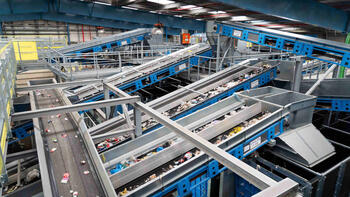
German turnkey sorting plant manufacturer Stadler has completed a comprehensive modernisation of the lightweight packaging sorting line at BZB (Bizkaiko Zabor Berziklategia) in Amorebieta-Extano, Spain. The project addressed capacity, automation and digitalisation of the facility, which now ensures greater productivity, improved material purity and compliance with evolving regulations.
The plant's processing capacity has more than doubled, increasing from 3 to 8 tonnes per hour whilst delivering higher recovery rates and cleaner output fractions. Designed to handle a wide range of lightweight packaging, the facility produces high-quality fractions of various materials, including PET, HDPE, PP and PS.
Incoming material passes through pre-shredding for waste stream size reduction and is fed by an automatic dosing unit. A rotary screen separates the material into three size fractions, each processed independently using a combination of Stadler's ballistic separators, magnetic and inductive separators, and high-performance NIR optical sorters. Selected materials are conveyed to dedicated bunkers and pressed into bales for shipment. The plant features reversible conveyors for flexible material routing and incorporates level sensors in bunkers and automatic container change indicators to optimise daily operations.
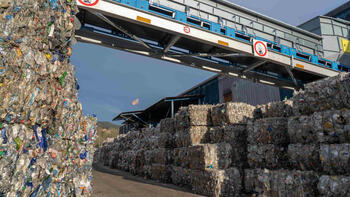
The plant's automation level has been significantly increased compared to its original 2002 version. The modernised facility utilises space much more efficiently and reduces manual intervention. The improvements help reduce operating costs and increase overall efficiency whilst improving working conditions for operators. The facility has also integrated Stadler's digital platform Stadlerconnect for plant monitoring and maintenance. BZB's facility is the first in Spain to use Stadlerconnect Predictive Maintenance, which enables continuous monitoring of equipment condition and supports proactive maintenance strategies to maximise availability.
The high degree of automation and integration of predictive maintenance has prepared the plant for long-term operation, enabling it to adapt to future market requirements.
Most read news