


VinylPlus: PVC recycling grows
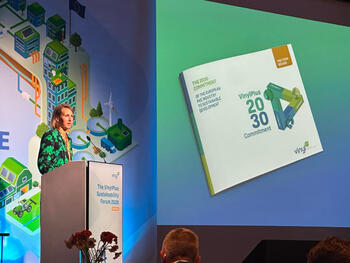
During the VinylPlus Sustainability Forum 2026, the annual event organised by VinylPlus - the European PVC industry’s voluntary commitment to improving sustainability - held in recent days in Genval, Belgium, the Progress Report 2026 was presented, setting out PVC recycling data for 2025.
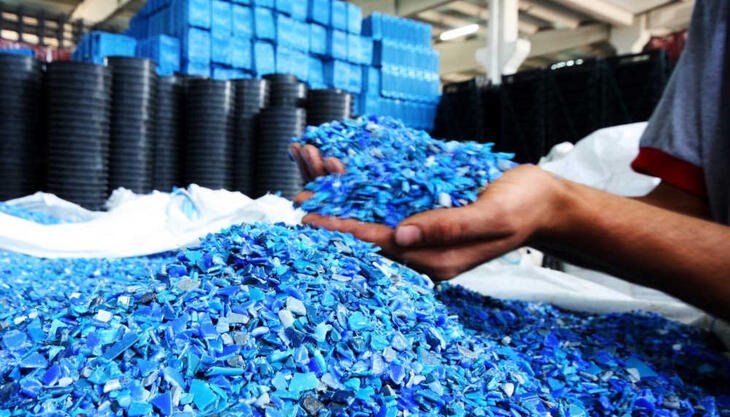
According to the report, the volume of PVC waste recycled under the voluntary commitment amounted to almost 766,000 tonnes, an increase of 5.7% compared with 2024, when just under 725,000 tonnes had been achieved. Moreover, while Europe’s overall installed polymer recycling capacity contracted by around 460,000 tonnes, PVC recycling capacity remained stable.
At regional level, Germany, Austria and Switzerland lead the ranking with 25% of the total recycled volume, followed by the United Kingdom and Ireland (19.3%), France (13.6%), Benelux (13.6%), Scandinavia, the Baltic States and Poland (11.6%), Italy and Greece (11.3%), Spain and Portugal (3.1%) and, finally, Central and Eastern Europe (2.4%). A breakdown by type of recovered waste shows a split of 58.8% and 41.2% respectively between pre-consumer waste, such as industrial offcuts and processing residues, and post-consumer waste, namely end-of-life products.

Recovery of PVC applications continues to be driven by the construction and infrastructure sectors, with window profiles confirming their position at the top of the ranking, at almost 417,000 tonnes recycled, followed by flooring, at just under 120,000 tonnes, cables, at around 104,000 tonnes, flexible PVC and membranes, at almost 59,000 tonnes, pipes, at around 41,000 tonnes, and other rigid applications, at just over 29,500 tonnes. The use of rPVC by converters increased by 3.6%.
The VinylPlus Sustainability Forum 2026 also saw the presentation of the revised VinylPlus 2030 strategy which, while maintaining the target of using at least one million tonnes of rPVC per year in new products by 2030, now aims to provide greater flexibility to respond to ongoing changes in both market conditions and EU legislation. The approach adopted is more strongly geared towards real-world impact and the sustainable performance of products throughout their life cycle, with a greater focus on traceability and reducing the carbon footprint.

Most read news