



The three pillars of MOL Group’s strategy
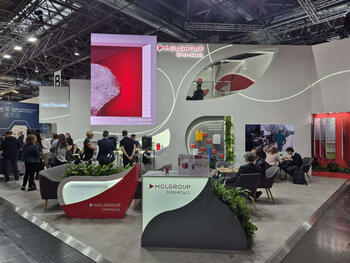
Circularity, materials lightweighting and mono-material packaging – these are the three pillars of MOL Group’s strategy unveiled at K 2025. At the show, Péter Császár, Senior Vice President, Chemicals, outlined to MacPlas the company’s vision for developing sustainable polymers and the importance of the Italian market within the Group’s European operations.
What key products has MOL Group brought to K 2025?
"There are three main topics we are more focused on. The first one is circular molecules. As part of this initiative, we're offering ISCC Plus-certified polyethylene and polypropylene. While these materials are not yet derived our own chemically recycled feedstock, they are produced using post-consumer waste-based pyrolysis oil that we purchase and process in our crackers. These ISCC Plus certified materials are currently in the market testing phase as evaluate the entire system from production to application. The certification ensures full traceability throughout the whole value chain, enabling customers to use these materials without modifying their existing formulations or processes, while actively supporting their circular economy objectives. The second key area is new grades in the pipes segment that allow customers to use less material in their applications. The third key area responds to an emerging trend in packaging where there's a shift from multilayer to mono-layer packaging. This transition aims to enhance recyclability and material efficiency, supporting the development of more sustainable packaging solutions. In terms of materials, polyethylene currently represents the larger part of our portfolio. However, we are strategically shifting focus toward polypropylene and polyurethane. We see polypropylene steadily gaining importance in the market, while the pressure on polyethylene continues to grow, reflecting evolving industry demand and sustainability priorities.
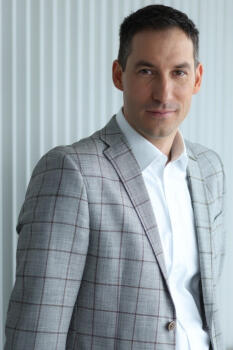
In particular, could you tell us something about your "Shape Tomorrow" strategy?
"MOL is a backward integrated company – we are among those chemical companies that have access to crude oil through our own refineries in Hungary and elsewhere. We manage a significant part of the value chain, and we need to make it more circular and more efficient. We are working on conversion technology to convert waste feedstock back into valuable materials. We are in the engineering phase to build a chemical recycling plant and we are evaluating both chemical and mechanical recycling approaches. We will see which will be the more dominant technology going forward, and we are well-positioned to make flexible decisions based on market demand and economics".
How important are trade shows like K to promote this vision?
"We have a European footprint and we are selling our products in more than 35 countries, so it's much harder to meet our customers on an individual basis. Trade shows such as K provide an excellent platform where you can meet many of your customers within a few days, strengthening relationships with existing accounts and fostering collaboration across the value chain. There are high expectations that we develop new pipelines, establish new relationships, and explore opportunities with existing customers to drive mutual growth and expand our business further. It's also a good representation of what's going on in the industry - downstream, upstream, new trends, developments – anything we see as interesting. We can see where our customers are moving, where the machinery is moving, and we are trying to be up to date with the times".
Also considering you will be attending Plast 2026 in Milan next year, what role does the Italian market play for MOL Group, both regionally and in terms of applications?
"Italy is definitely one of our core markets; we have a representative office there. In terms of portfolio size it remains one of the most important markets, especially with some structural changes happening in Italy, with some crackers shut down and polypropylene derivatives production declining. As for applications, the most strategic sectors for us in Italy, as in the rest of Europe, are packaging, pipe, caps and closures, insulation, sports and leisure, pharma, and automotive".
Most read news