



3D Plast hosts the innovators of additive manufacturing

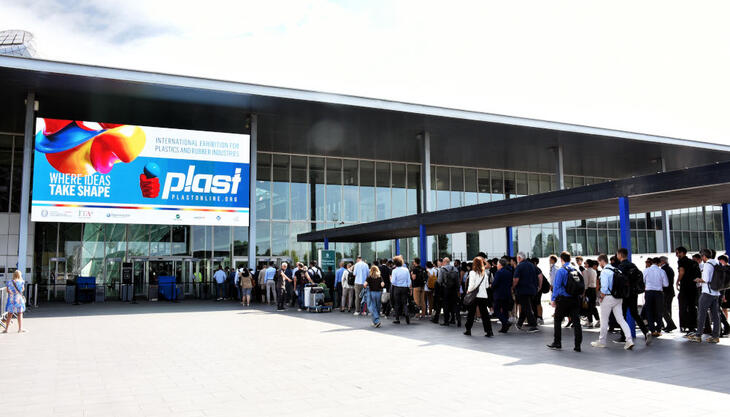
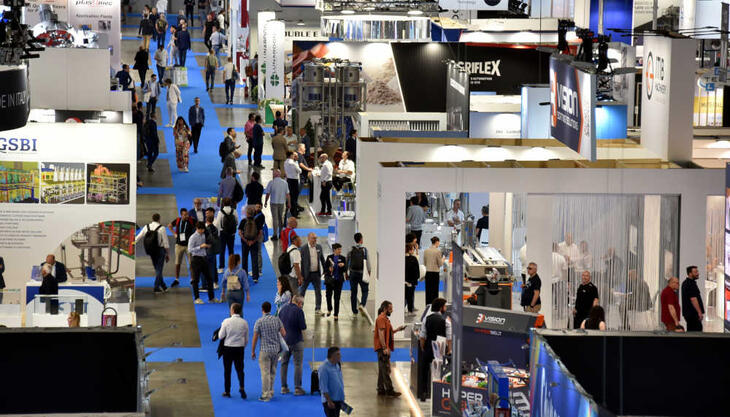
One of the most dynamic spaces at Plast 2026 is changing shape and ambition. 3DPlastLab returns for the 2026 edition in a completely reimagined format. From 9 to 12 June at Fiera Milano Rho, the area moves beyond the logic of a traditional exhibition space to become an open laboratory where research, industry and design converge to explore the evolution of additive manufacturing as an industrial system. At its heart, an international selection of innovators will bring to the show projects, prototypes and real-world applications, offering visitors a direct window onto the key trajectories shaping the sector, from new materials and artificial intelligence to computational design. This approach reinforces Plast's role not only as an exhibition platform, but as a space for ideas and projects, capable of connecting the competencies that are redefining the future of industry. Among the innovators already selected are researchers from some of the most prestigious universities and laboratories in the world.

From the United States, Jochen Mueller – Johns Hopkins University – will present research dedicated to the printing of ultra-thin elastic films integrated directly into soft robotics devices. These membranes, just 18 microns thick, open new possibilities for soft actuators, inflatable devices and electro-active systems produced in a single manufacturing process.
From Japan, Umezu Shinjiro and Zhang Ze – Waseda University – will present two research strands of exceptional technological depth. The first concerns ultra-high-resolution printing of PEEK, one of the highest-performing polymers for advanced industrial, medical and aerospace applications. The second combines additive manufacturing and bioengineering: conductive hydrogel electrodes printed in 3D for stable, comfortable EEG acquisition over up to eight consecutive hours – a significant step forward for wearable devices and human-machine interfaces.
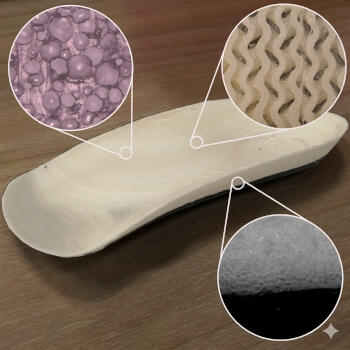
From Malta, Arif Rochman – University of Malta – will showcase a highly practical solution for the manufacturing world: a high-performance pellet-fed 3D printer prototype capable of processing a wide range of industrial pellets, from super-soft elastomers to high-temperature PEEK. A platform designed to overcome the limitations of conventional machines and broaden the freedom of material use.
From Ireland, the University of Galway will demonstrate how sustainability can become industrial innovation. The team led by Professor Pouyan Ghabezi has developed piezoresistive sensors printed in 3D from waste polymers, carbon fibres and nanotubes, intended for intelligent structural monitoring of infrastructure and engineering components.

The value of this initiative lies not only in the scientific excellence of the projects on show, but in its capacity to generate real encounters between those who develop technologies and those who can bring them to industrial scale. For visitors to Plast 2026, it will mean the opportunity to speak directly with researchers and innovators, observe working prototypes, and gain first-hand insight into emerging materials, novel production processes and concrete applications across the automotive, biomedical, aerospace, electronics, packaging and circular economy sectors. For companies, it will be a chance to identify competencies, patents, partnerships and talent before they reach the global market. With this format, Plast 2026 confirms its vocation not only as the reference trade fair for the plastics and rubber sector, but as an international platform where the industrial present meets the future of advanced manufacturing.

Most read news