



Plastics Europe: yes to the agreement on circular cars, but the recycled-content targets are low

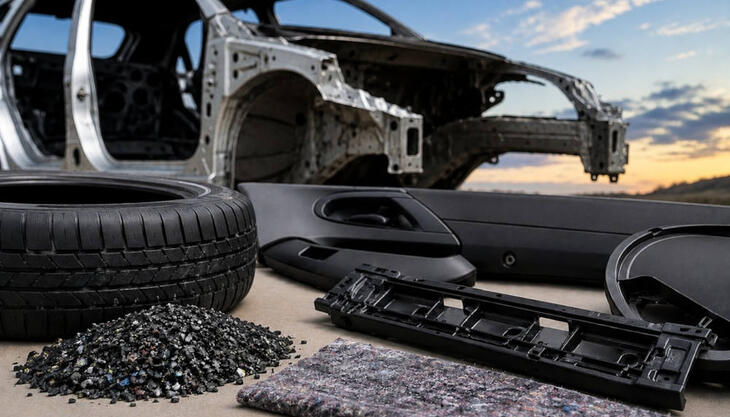
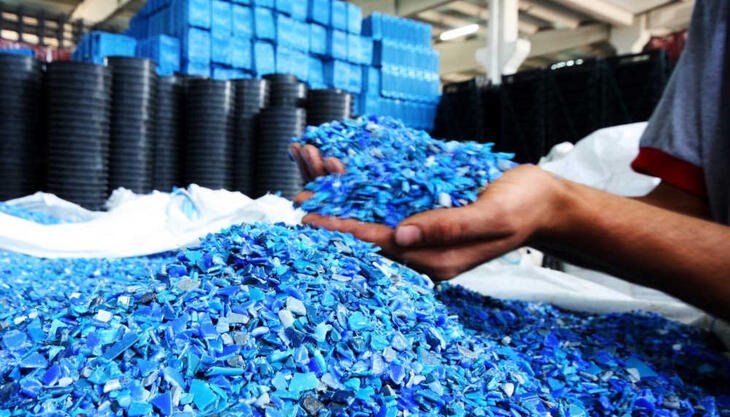
According to Plastics Europe, the provisional agreement reached by the European Parliament and the Council on plastics circularity in the automotive sector marks a significant step forward in Europe’s transition towards a circular economy. However, as several aspects are still to be defined, it is too early to assess the agreement as a whole. What is clear is that, for the second time, setting targets for recycled plastic content in EU legislation reflects the growing recognition of plastics as a valuable resource in a circular economy.
“While we are disappointed that negotiators ultimately agreed on only a 15% recycled plastic target for new vehicles within six years, we recognise that such a target will grow to 25% in ten years. We had supported the Commission’s more ambitious and, in our view, realistic proposal of 25% initial target. A lower target risks weakening the market pull needed to scale high-quality recycling, stimulate investment, and drive the transition towards a more circular and competitive plastics system in Europe”, Virginia Janssens, Managing Director of Plastics Europe, stated.
“We now urge the European Parliament Plenary and Ministers to swiftly endorse this agreement so that industry can plan with certainty and progress towards Europe’s circularity and competitiveness goals without delay. We remain committed to working with policymakers and industry partners to ensure Europe can unlock the full potential of circular plastics and deliver on its climate and resource-efficiency ambitions.”, Virginia Janssens concluded.

Most read news